Tips for Creating a Relaxing Home Office Environment
Creating a relaxing home office environment is essential for maintaining productivity and well-being while working from home. A calm, well-organized space can help reduce stress, increase focus, and make your workday more enjoyable. Whether you have a dedicated room or a small corner, these tips will guide you in designing a home office that supports relaxation and efficiency.
1. Choose a Quiet, Comfortable Space
Find a Low-Distraction Area
Select a spot in your home with minimal noise and interruptions. If complete silence isn’t possible, consider using noise-canceling headphones or a white noise machine to block out distractions.
Prioritize Comfort
Invest in a supportive office chair and an adjustable desk that fits your height. Comfort is key to reducing strain and fatigue during long work hours.
2. Optimize Lighting
Maximize Natural Light
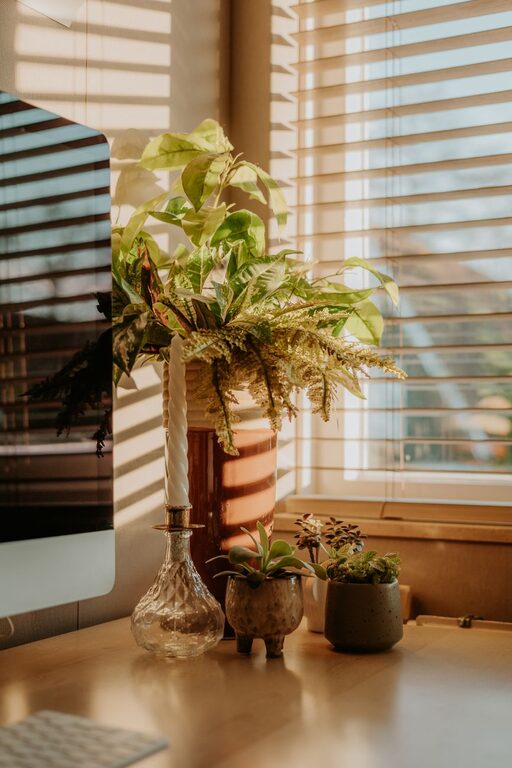
Position your desk near a window to enjoy natural light, which can boost mood and energy levels. Avoid glare by using blinds or shades and orient your screen to minimize reflections.
Use Soft, Warm Artificial Lighting
Complement natural light with soft, warm LED lamps to create a cozy atmosphere. Avoid harsh, bright lights that can cause eye strain.
3. Organize and Declutter
Keep Your Desk Clear
A cluttered workspace can lead to a cluttered mind. Use organizers, trays, or drawers to store office supplies neatly. Only keep essential items on your desk.
Implement Storage Solutions
Shelves, filing cabinets, or storage boxes help maintain order and keep your work materials easily accessible. Label items to speed up retrieval.
4. Incorporate Calming Colors
Choose Soothing Tones
Colors like soft blues, greens, and neutrals promote relaxation and concentration. Consider painting walls these colors or adding décor elements like cushions, rugs, and artwork.
Avoid Overly Bright or Distracting Colors
While some accent colors can add energy, avoid those that are too bright or bold, which may cause visual fatigue or distraction.
5. Add Natural Elements
Bring in Plants
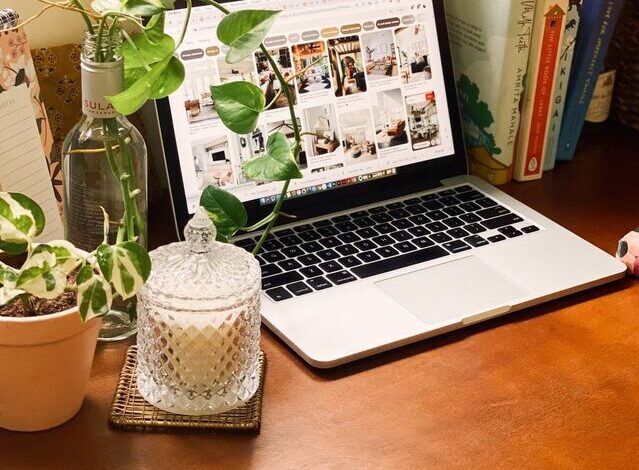
Indoor plants improve air quality and add a touch of nature, which can reduce stress and increase creativity. Easy-care plants like succulents, snake plants, or pothos work well in offices.
Use Natural Materials
Incorporate wood, stone, or bamboo in your furniture or décor to create a warm, inviting environment.
6. Personalize Thoughtfully
Include Items That Inspire You
Add personal touches such as photos, art pieces, or motivational quotes that make you feel positive and productive.
Avoid Excess Clutter
Personalization should enhance comfort, not contribute to clutter. Keep it simple and meaningful.
7. Enhance Air Quality and Comfort
Ventilate Regularly
Open windows when possible to allow fresh air circulation, which can boost focus and reduce fatigue.
Control Temperature and Humidity
Use a fan, heater, or humidifier to maintain a comfortable temperature and humidity level suited to your preference.
8. Establish Boundaries
Separate Work and Relaxation Spaces
If possible, use a room divider or screen to delineate work areas from relaxation zones, helping your mind to switch off after work.
Use Visual Cues
Closing the office door or setting specific work hours signals the beginning and end of your workday, fostering a healthy work-life balance.
9. Minimize Screen Time and Eye Strain
Take Regular Breaks
Use the 20-20-20 rule: every 20 minutes, look at something 20 feet away for 20 seconds to reduce eye strain.
Adjust Screen Settings
Lower brightness and increase text size if needed. Consider using blue light filters in the evening hours to protect your eyes.
10. Establish a Routine and Mindfulness Practices
Develop Consistent Work Habits
A regular routine helps you mentally prepare for work and maintain productivity.
Integrate Relaxation Techniques
Try short meditation sessions, deep breathing exercises, or stretching breaks during your workday to stay calm and focused.
—
Creating a relaxing home office environment doesn’t require a complete redesign or expensive purchases. Small thoughtful changes can make a big difference in your comfort and productivity. Start by identifying what elements in your current setup may cause stress or distraction, and gradually implement the tips above. By tailoring your workspace to your needs, you’ll cultivate a supportive environment that helps you feel relaxed, focused, and ready to tackle your workday.