Tips for Creating a Cozy and Productive Home Workspace
Creating a home workspace that feels both cozy and productive can make a world of difference in your work-from-home experience. Whether you’re new to remote work or looking to refresh your current setup, combining comfort with functionality helps you stay focused, motivated, and energized throughout the day.
In this post, we’ll explore practical tips to help you craft the perfect home workspace that supports your daily tasks while making your work environment inviting and enjoyable.
Choose the Right Location for Your Workspace
Finding a spot in your home that fits your needs is the first step. Consider areas with minimal distractions and enough natural light. Ideally, pick a quiet corner or a spare room where you can separate work from personal life.
– Natural light matters: Position your desk near a window if possible. Natural light improves mood and alertness.
– Avoid high-traffic areas: Spaces near the kitchen or TV can be distracting.
– Think about privacy: Use room dividers or screens if your workspace shares space with others.
Invest in Comfortable and Functional Furniture
Your chair and desk are the backbone of a good home office. Ergonomics will help you maintain good posture and prevent fatigue.
– Ergonomic chair: Look for adjustable height, lumbar support, and comfortable padding.
– Desk size: Choose a desk large enough for your monitor, laptop, and workspace essentials.
– Standing options: Consider a sit-stand desk or a converter to alternate positions.
Organize for Efficiency
A tidy workspace reduces stress and increases efficiency. Create systems to keep everything in its place.
– Declutter: Remove unnecessary items from your desk.
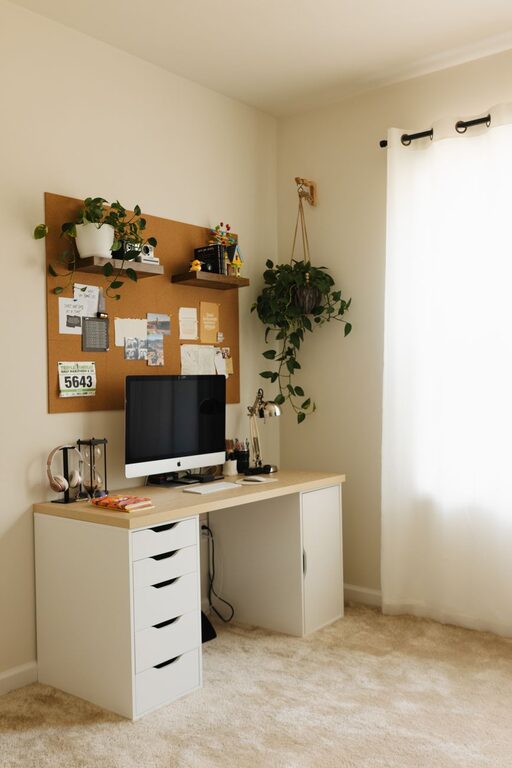
– Use storage solutions: Shelves, drawers, and organizers help keep papers and supplies neat.
– Manage cables: Cable clips or sleeves prevent tangles and clutter.
– Digital organization: Keep your computer files and apps well organized to save time.
Personalize Your Workspace
Adding personal touches makes your workspace more inviting and motivating.
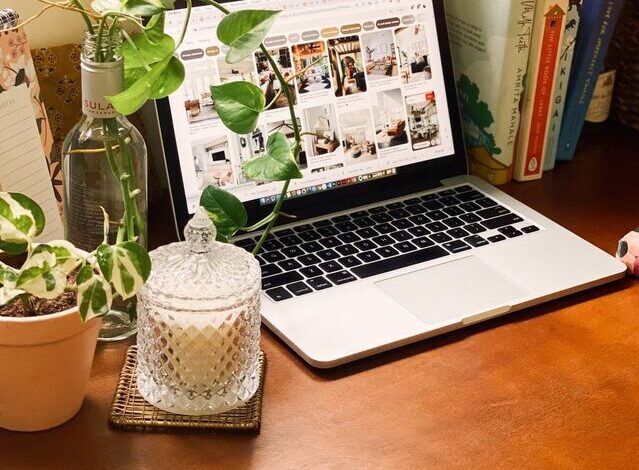
– Add plants: Indoor plants improve air quality and add a touch of nature.
– Incorporate art or photos: Visual elements that you enjoy can boost creativity.
– Use cozy textiles: A soft rug or a comfortable blanket can enhance the space’s warmth.
– Choose your colors: Select colors that calm or energize you, such as blues for focus or yellows for creativity.
Optimize Lighting
Good lighting reduces eye strain and sets the right mood for productivity.
– Layer your lighting: Use a combination of natural, overhead, and task lighting.
– Task lamps: Adjustable desk lamps provide focused light for reading or detailed work.
– Avoid glare: Position screens and light sources to reduce glare.
Manage Noise Levels
Noise can be a major distraction or stressor when working from home.
– Noise-canceling headphones: Great for blocking out background noises.
– Soft background music: Light instrumental music can improve concentration for some.
– Soundproofing: Use rugs, curtains, or acoustic panels to dampen sound.
Establish Boundaries and Routines
Creating clear boundaries helps maintain work-life balance and increases focus.
– Set work hours: Decide when you will start and stop working.
– Create rituals: Begin your day with a routine that signals the start of work—like making coffee or reviewing your schedule.
– Communicate with housemates: Let others know your work hours and needs for quiet.
Incorporate Movement and Breaks
Staying in one position too long can reduce productivity and lead to discomfort.
– Take regular breaks: Use the Pomodoro technique or simple timers to remind you to rest.
– Stretch or walk: Brief physical activity boosts circulation and mental clarity.
– Set reminders: Apps or alarms can prompt you to move or relax.
Keep Technology Up to Date and Reliable
Your tech tools influence how smoothly your workday flows.
– Reliable internet: Ensure you have a strong and stable Wi-Fi connection.
– Quality peripherals: Invest in a good keyboard, mouse, and webcam.
– Backup power: Consider a surge protector or backup battery for critical equipment.
Final Thoughts
Your home workspace should be a place where you feel comfortable and empowered to do your best work. By thoughtfully combining comfort, organization, and thoughtful design, you can create an environment that nurtures both productivity and well-being.
Try implementing these tips gradually and adjust them based on what works best for you. Remember, the ideal workspace is personal and flexible—make it yours!